



We are currently in peak fall, and with the temps continuing to drop, the transition from fall to winter will happen quickly. If you eat with the seasons, you had been enjoying the vibrant summer veggies grown at Copper Moose Farms like cucumbers, tomatoes, summer squash and radishes to name a few. Eating seasonally is eating locally. There is joy in feasting on fresh produce and what is available from your local environment which in turn connects us to our community.

Copper Moose Farms on a moody fall day
And with the seasons turning, from summer to fall to winter, Copper Moose Farms has moved on from their summer schedule. But fear not locavores, they will continue to be open two times per month in the winter. You will be able to find the farm stand (hopefully) open on Thursdays from 2:30-5:30 p.m. every other Thursday. As a side note, due to the nature of winter farming, they cannot guarantee which Thursdays the farm stand will be open, so they suggest that produce seekers sign up for their email list, as they will send out a blast on the Monday of the week to notify you that they will be open on that specific Thursday.
In the winter, we gravitate to foods that are going to ground us and give us the warmth we need during colder months. So what can we expect from Copper Moose Farms during these colder months? CMF is currently preparing for the winter season with the storage of crops like winter squash, onions and garlic, and is planning on lots and lots of winter greens, winter carrots, microgreens and other root crops.
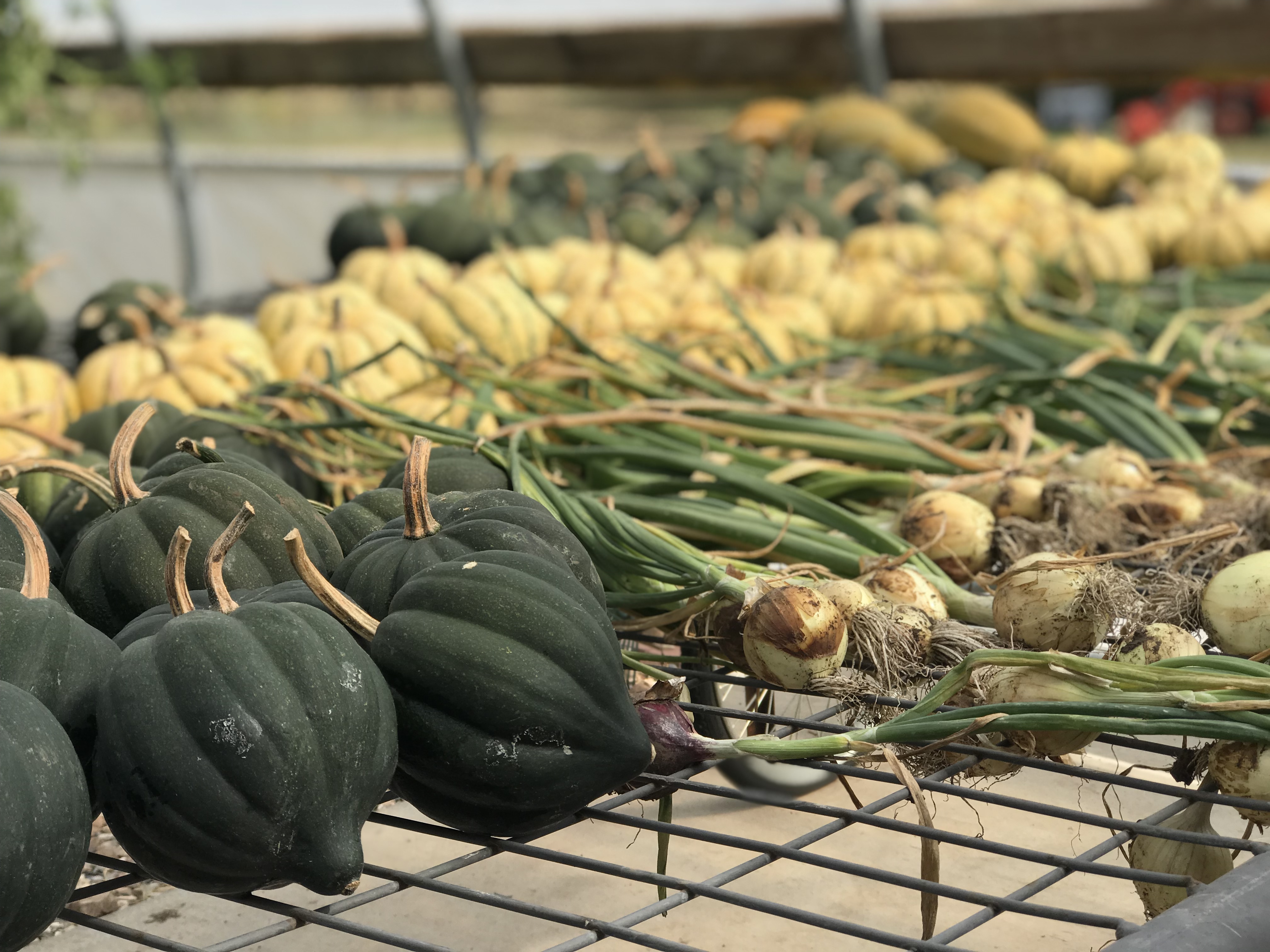
Crops for winter harvest
Their field manager, Todd Coleman, showed us around the property and how they prepare for the oncoming cold, which is quite fascinating. They have three different hoop houses (simple greenhouse-like structures over bare ground) plus a greenhouse where they are starting to plant crops like head lettuce and carrots, and will grow salad and cooking greens throughout the winter.

Hoop house
And, if you want to geek out on some farming techniques, Todd gave us the inside scoop on how CMF is able to harvest specific crops during the winter. The hoop houses move back and forth over the ground so that the crops are not being grown in the same spot at all times, so they can manage which crops are growing better in which soil. Also, the hoop houses are radiantly heated, meaning that they heat the soil with hot water being pushed through pipes under the soil.
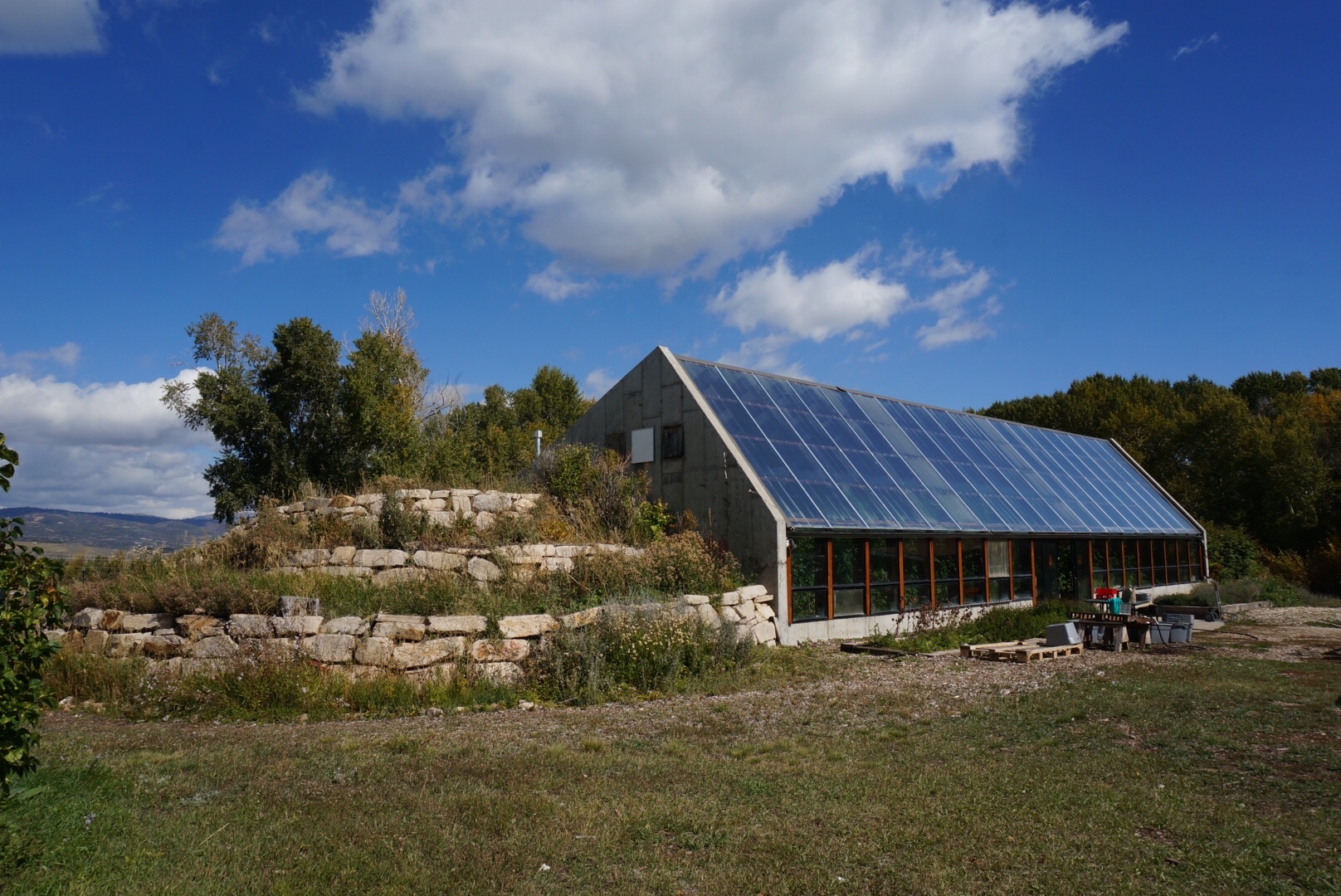
“Earth Ship” Greenhouse
The greenhouse doesn’t use a heater but gets warm because of its “Earth Ship” design. It is built into the ground and stores heat which is then slowly released throughout the night so they can grow all winter without any supplemental heat. The greenhouse is also off the grid with solar panels, plus it collects rainwater which is stored in barrels inside and then used to hydrate the crops. CMF really has its winter operations dialed.

Greenhouse bounty