


Most everyone these days loves the idea of getting their daily greens and veggies from a smoothie or juicing. Your method (juicing vs. blending) is a debate among the nutrition world as well as individuals just trying to get their health right. And while I love both, each have a different way of delivering nutrient essentials to the body. Some people like juicing because it is lacking the pulp, while some people feel they aren’t getting all the nutrients and fiber from the vegetable if they just drink the extracted juice. I have done some research to find which way is the most beneficial way to drink your veggies and come to find out neither way is the better way, just different ways to get different results!
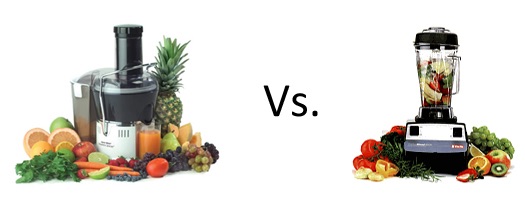
Juicing
Juicers extract nutrients and water from fresh produce and discard the fiber, providing you with a lot of vitamins, minerals and antioxidants in each glass. Because the fiber is extracted from the juice, its nutrients are delivered to your cells much quicker, resulting in an energy boost. It is true that some vegetables juice better than others, literally how they go through the juicer and the nutrition you get are dependent on each other, so research which fruits and vegetables are most suited to the juicing process before giving it a go. No energy is needed to digest pure juice. That energy is conserved for cleansing work, very useful while doing a juice cleanse. Juicing is so nourishing and restorative at a cellular level. If you have a sensitive digestive system, juicing is the way to go to get nutrients into your system faster and without using that energy to digest the fiber.
Blending
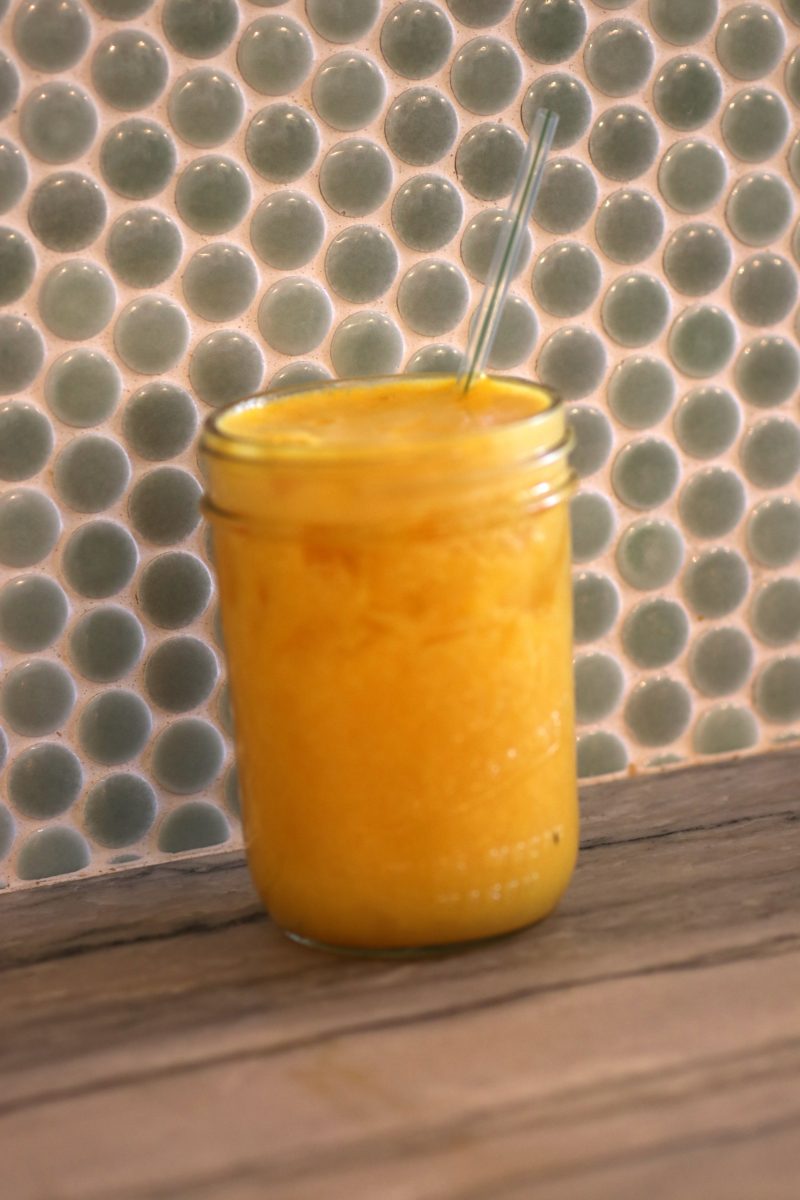
Blending a whole fruit or vegetable with ice, water or coconut water leaves its fiber intact, resulting in a thicker, more textured smoothie that provides a slow and even release of nutrients into the body’s cells. This type of fruit or vegetable drink is also packed with many nutrients and antioxidants. Even though blended drinks have the fiber left in them, which can slow down the digestive process in the body, the blending process breaks the fiber apart–helping make it easier on your system, than if you just ate it whole.


Ingredients
- 1/2 leaves Tuscan kale
- 1/2 avocado
- 2 cups baby spinach
- 1/2 Granny Smith apple, cored, peeled, and diced
- 1 cup orange juice
- 1 tablespoon fresh ginger, minced
- Crushed ice
- Strawberry as garnish
Instructions
- Combine all ingredients in a blender and blend until smoothie.
- Garnish with a strawberry.
The bottom line is: drinking vegetable juice provides the body with concentrated nutrients that immediately nourish the cells. Your body does not have to use a lot of energy to process juice and smoothies, making it beneficial to those who are low on energy due to illness. Fresh juice can also benefit those with weak digestive tracks! I say both are a beneficial way to get our fruits and veggies in! A balance of the two is ideal, unless you have any of the sensitivities that would lead you to use one way more then the other. Juice on people.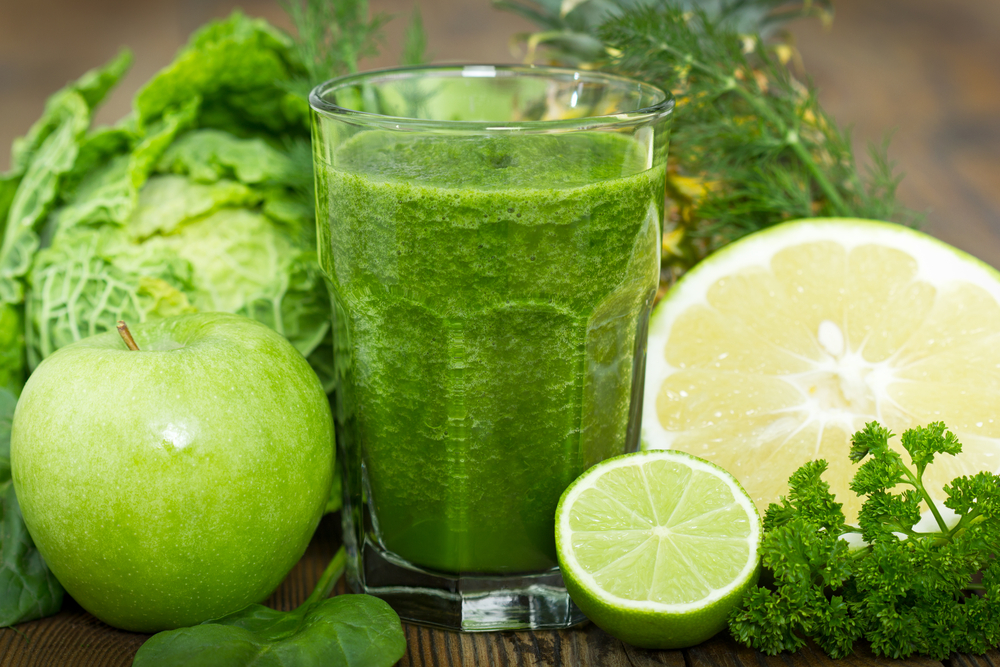
Juice Ideas:
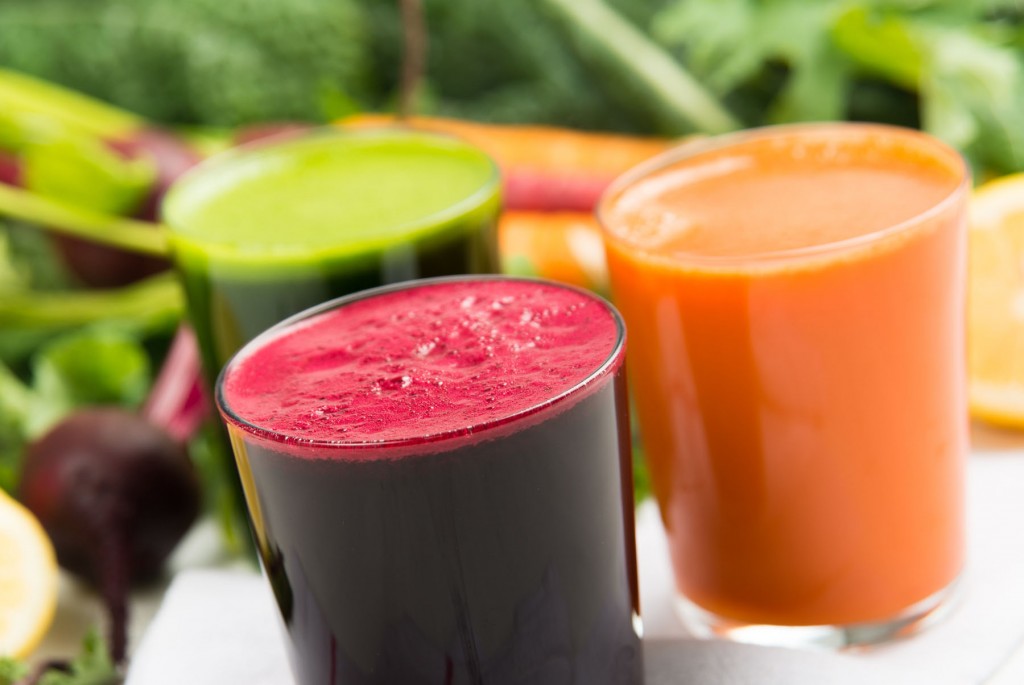
Orange juice: 4 large carrot sticks, 2 oranges, juice from 1 lemon and a chunk of ginger (to taste)
Green juice: 5 kale leaves, 1 apple, 1 cucumber, 5 celery sticks, juice from 1 lemon and a chunk of ginger
Beet juice: 3 large beets, 1 apple, 3 carrots, juice of 1 lemon and a chunk of ginger
Blender Beauties:
Green blend: 1 apple, 1 handful of spinach, 1 cucumber (cut in chunks), 4 stalks of celery (cut in chunks), 1 cup coconut water, 4 mint leaves, lemon or lime juice. Blend until smooth.
During this time in particular, we are all seeking healthy ways to revamp our minds and bodies. Juicing is a great way to take care of ourselves, so get juicing!